the modern Pasig City Center

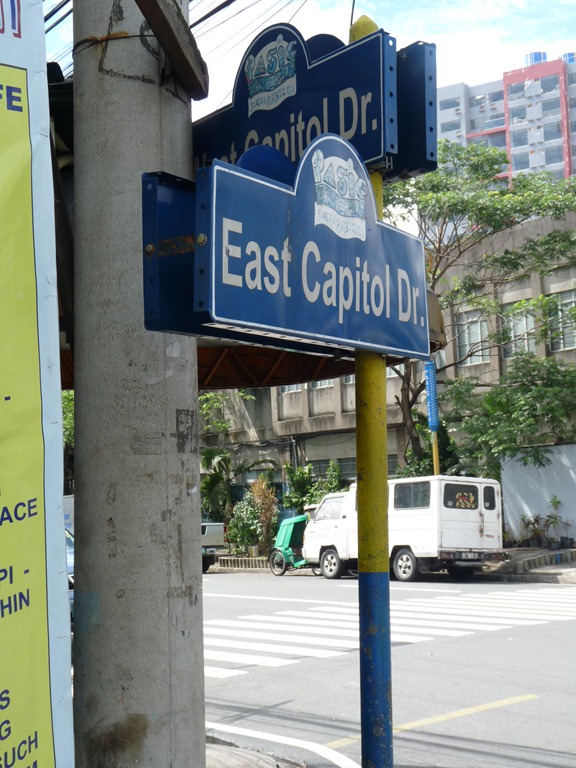
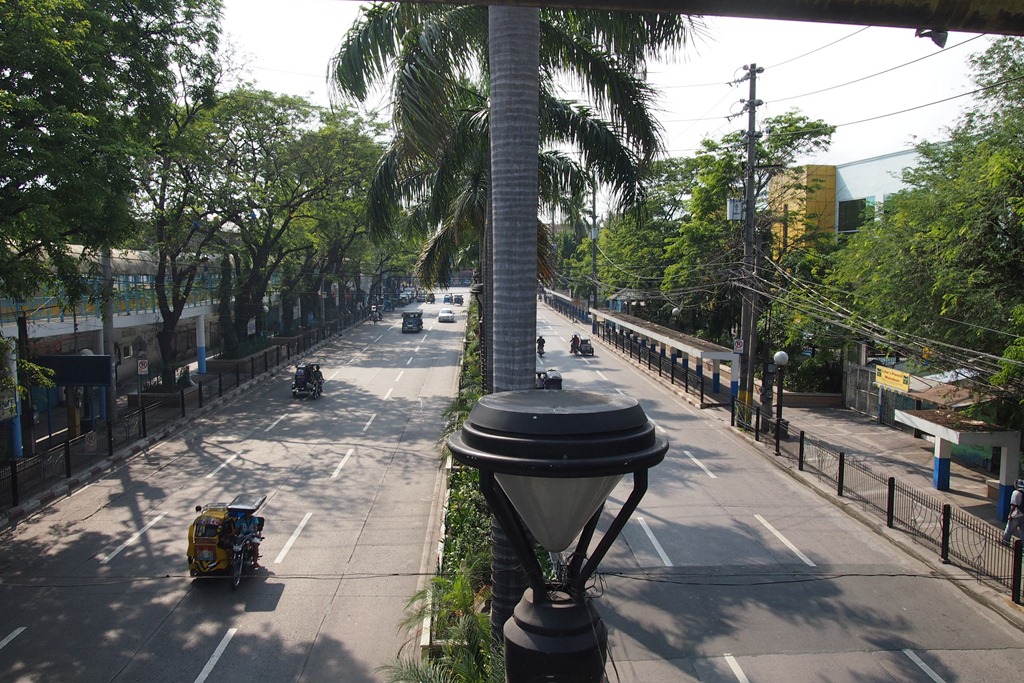
So much has changed in Pasig in recent years, especially since it attained cityhood in 1995. The Pasig City Center itself should give the visitor a glimpse of those changes that affected the cityscape’s nature.
P4052082

P4052078

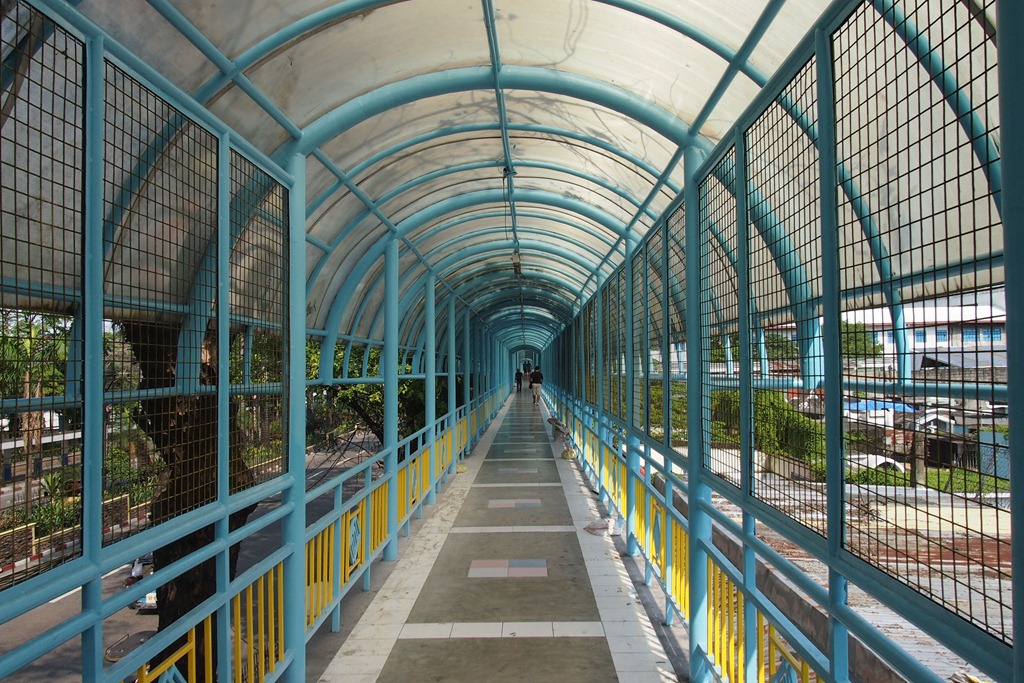
Of course not everything has been a smooth ride to development, so to speak. The onslaught of the typhoon Ondoy in 2009 which submerged significant parts of the city in high floods was no simple bump on the road but something which drastically changed the course of Pasig’s development. Despite the damage Ondoy has done, one positive aspect of this calamity was that it provided an opportunity for the city to realign its development program in a more environmentally-sustainable thrust. The city center itself is a showcase also of the city’s drive towards green development
Read more

The historic Pasig town center, Part 2

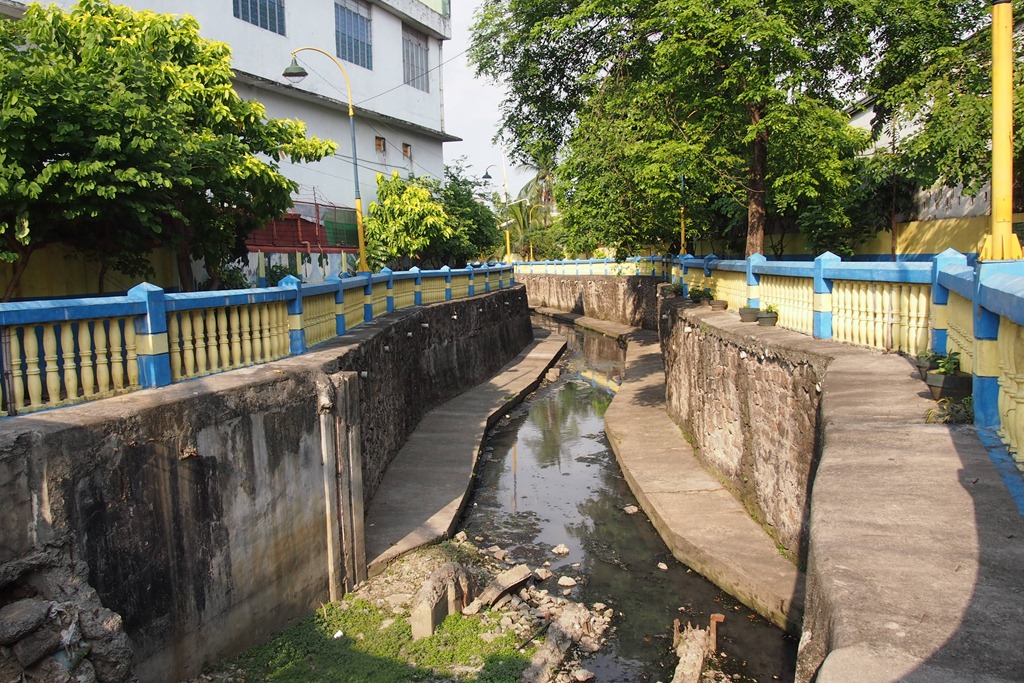
What made Pasig thrive in the olden days was the bustling commerce especially along the riverbanks. Apart from the presence of the Pasig and Marikina rivers, a number of tributaries also contributed to Pasig’s growth. One of those tributaries would be the river flowing across the town center, the one locals call the “Bitukang Manok” or “chicken’s intestines” due to the river’s wormlike shape.

P4052131

It was also known as the Pariancillo River, and in its heyday, the river served not only as a center for trade but also an important transport route as it served to link the town to Antipolo. Bitukang Manok would more importantly play a role in history when it was chosen as the site of the Asemblea Magna, (the great assembly) a large gathering of 17 bancas boarding the hundreds of members of the Katipunan movement called upon during the first week of May, 1896 by the Supremo Andres Bonifacio and a Cavite leader named Emilio Aguinaldo. (yes, they were chummy back in those days) What made this gathering significant was that it formalized the intent of the movement to wage an armed struggle against the Spaniards for Philippine independence.

Read more

The historic Pasig town center, Part 1

The City of Pasig may mean many things to a lot of people, both positive and negative in aspects. Unfortunately, the heritage of this city is something not many people know nor talk about. Unfortunate indeed as Pasig has a very interesting history and some impressively preserved heritage that add color to this part of the metropolis that doesn’t get that much attention, especially when it comes to heritage.

Pasig poblacion
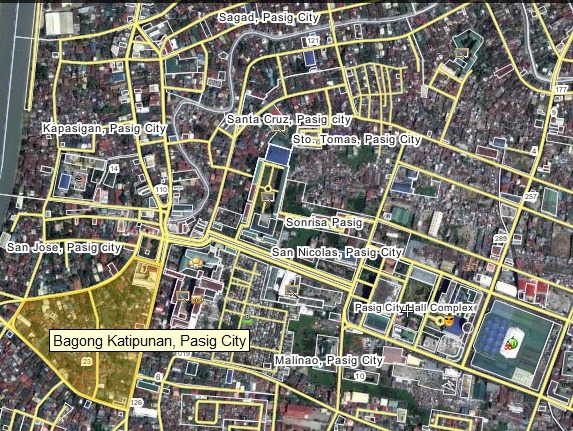
Pasig’s poblacion area today and the barangays that comprise it

Pasig’s rich history should not come as a surprise given its long history which stretched way back from the pre-colonial period as one of the kingdoms located near the banks of the river and being one of the earliest settlements established by the Spanish in 1573. Today, the original Pasig settlement has grown and now encompasses at least five barangays of the greater Pasig that we know today: Bagong Katipunan, Kapasigan, Malinao, San Nicolas, and San Jose. While commercialization of Pasig’s poblacion or town center is a given and inevitable, one would be surprised to find out the presence of heritage in the areas, thanks to a number of preserved houses dating back to the Spanish era particularly in Barangays Kapasigan and San Jose.

Read more

roaming the neighborhood: Barangay Kapitolyo

First thing you need to know about Barangay Kapitolyo in Pasig is that despite its name, the old Rizal Provincial Capitol was not actually located in its premises, but rather right across it. But I suppose that particular matter is moot and academic now with the Capitol itself now gone.

If anything, Kapitolyo is one of those places that has come out to make its own identity beyond what is was known for before as a barangay named after a provincial capitol. In recent years, there has been a boom in the area’s commercial activity, most striking of which is the growing presence of restaurants and other food establishments here.

P1160402

Read more