The Guide To Mass Rail Transit Names

Over the years of the Urban Roamer, I’ve come to realize that there are things pertaining to urban life, the ins and outs, the ways things go here n the Manila metropolitan landscape that many are unaware of. Thus, I have decided to set up another semi-regular feature on this site which I call “The Guide.” Think of it as a handy reference  of sorts of what you need to know about how the city works when it comes to some aspects of its urban landscape, all its quirks included. The first I am going to tackle here in “The Guide” is a subject close to and has long been a source of annoyance for me at least.

There seems to be so much confusion and wrong going on with how Metro Manila’s 3 mass rail transit lines are named. It is something that has been bugging me for a while. Granted some may see this as petty, allow me to elaborate on this post.

the current Metro Manila mass rail transit system (courtesy of Urbanrail)

First things first, we must learn the type of mass rail transit systems available in the metropolis today. The first is the “light rail system,” which is designed to handle a limited number of passengers. From the name given, we can assume that the trains operated by the Light Rail Transit Authority (LRTA) are light rail systems. Well, the answer is…not really. 

Read more

the Urban Roamer’s updated ePassport guide

In case you have not heard, some significant developments came up since my last post “the Urban Roamer’s ePassport guide.”

First significant development is the good news that the ePassport is now available even for first-time passport applicants. The catch is though if you’re looking to get just the more affordable machine-readable passport, (MRP)  sorry to say that the DFA has ceased issuing MRP’s since early this year. That leaves you with no choice but to shell more money to spend the more expensive, yet most technologically advanced ePassport.

Read more

The Urban Roamer’s ePassport Guide

In case you haven’t heard (or if you were too busy/distracted with the reemergence of Cory magic at that time) the Philippine Department of Foreign Affairs launched back in August 2009 the ePassport, a biometrics-based paper-electronic passport which is considered to be most advanced type of passport being adapted by many countries around the world. With advanced recognition features embedded in a thin electronic microchip located within the passport, it was specifically designed to be forgery-proof in the wake of terrorism threats in recent years.

epassport_0001
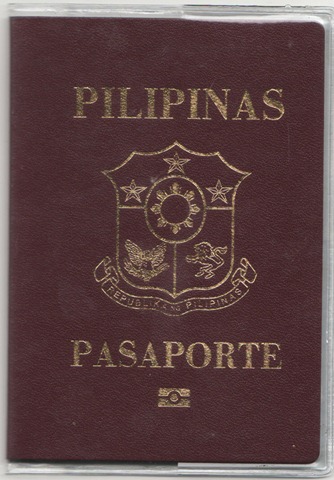
the Philippine ePassport; the symbol below the word “Pasaporte” is the international logo for the ePassport

While my old passport does not expire yet for another couple of years, looking at that green passport with those hand-written entries makes the bearer feel embarrassed especially if you look at the other travelers who bear at least machine-readable passports and worrying about how the immigration officer looking at your passport. While I was fortunate of being spared from much immigration scrutiny during my recent trip overseas using a green passport, my mind was made up on updating my password early in light of recent policies put forward by the International Civil Aviation Organization promoting the use of MRP’s (machine-readable passports) and ePassports. So you can imagine my excitement when news that ePassports are now available.

Read more