Streets Of Unsung Revolutionary Heroes

Today is National Heroes Day. Normally, we take this opportunity to remember the prominent figures in our history. We usually commemorate the heroism of Rizal, Bonifacio, Mabini, Jacinto, Tandang Sora, Plaridel, General Luna, among others and their contributions to our history.

Then there are the heroes who were not as fortunate to be as honored as the aforementioned figures. The closest to an honor they would get is a street named after name, as well as a monument if they are more fortunate. Even so, because no one has bothered to educate the people with regards to the identities of the people behind these street names and their contributions to the country, such honors would be in vain as people never get to know to appreciate their role in shaping our country’s history. Sadly, this is the case of many of the streets named after famous and less famous figures in our history.

This National Heroes Day, the Urban Roamer pays tribute to the unsung heroes immortalized in our streets with this humble tribute as we remember the heroism of some of these unsung heroes in the struggle for freedom during the Philippine Revolution.

Read more

A walk along Balete Drive

In the metropolis of Manila, and in the Philippines as a whole, no street has been the stuff of so much legend and mystery than that (in)famous stretch of road in the district of New Manila in Quezon City known as Balete Drive.

PA280312

It is said that back in the old days, the main landmark in the area where the street is now stands was a massive balete tree, In Philippine folklore, the balete tree just happens to serve as dwelling for supernatural creatures like the kapre and tikbalang. It can be surmised that the tree was eventually cut down to give way to the road.

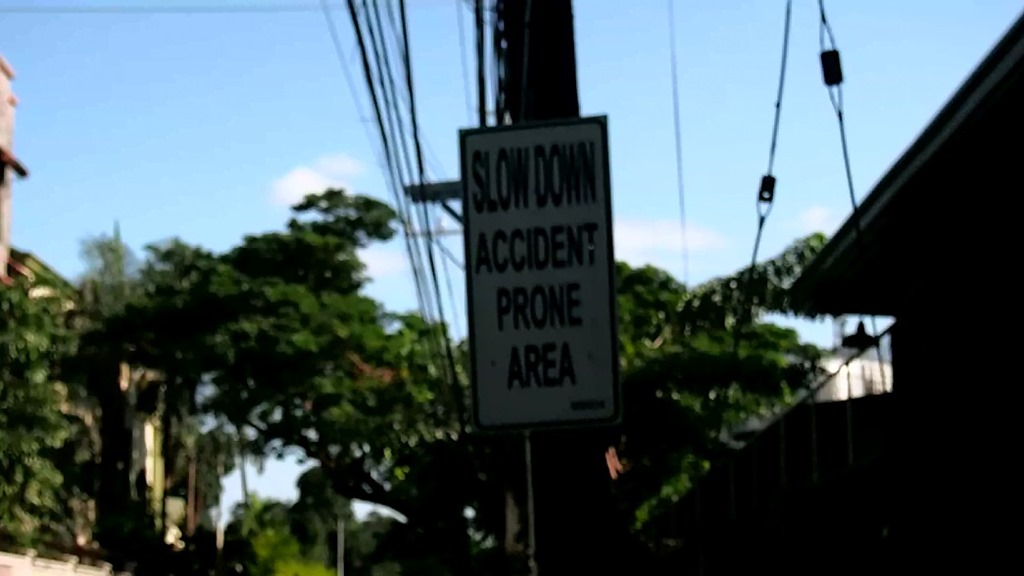
accident prone area

Read more

Roman Ongpin: the Tsinoy with a Filipino heart

Born of a Chinese immigrant from Fujian, Roman Ongpin, like many Filipino-Chinese, grew up being trained for business by his father. He would eventually become a successful businessman in his right when he opened up an arts supplies store named “El 82” on March 1, 1882 (thus the name El 82) along Rosario Street in Binondo. (which is now known today as Quintin Paredes Street) It would become the place to go for arts supplies over the years as prominent artists like Juan Luna, Fabian dela Rosa, and Fernando Amorsolo would frequent the store for their needs.

But apart from his success in business and the support for the arts that came with it, Roman Ongpin was an ardent nationalist and patriot. He was wont to wear the barong tagalog (said to be one of the first prominent individuals to wear it proudly) and through his arts store, he was secretly helping the Filipino revolutionaries during the Philippine Revolution by supplying them with arms and other needs that he smuggled.

Read more