Between its prominence as the first battleground of the Philippine Revolution in 1896 to the urbanism it is experiencing today, San Juan during the early to mid-20th century was known as a favored residential enclave, especially the eastern part of the town due to the hilly terrain which offered a cooler climate (at least before global warming became a thing). It is this reason that the modern barangays in eastern San Juan emphasize this area’s topography: Addition Hills, Little Baguio, and Greenhills.

During the early colonial period up to the postwar years, many prominent individuals and families resided in eastern San Juan. Elpidio Quirino’s brother Antonio lived in Santa Lucia and his residence would serve as the site of first television broadcast in the Philippines. And in Addition Hills, the subject of this post, it served as home of some notable individuals.

Addition Hills’ Prominent Residents
One of Addition Hills’ prominent residents was Juan Arellano, the famed architect behind countless landmarks such as the Manila Post Office Building, Metropolitan Theater, Jones Bridge, and the National Museum of Fine Arts to name a few. As such, his house, which was built in 1933, was just as iconic.

Located at what is now O. Arellano St. (named after Juan’s nephew Otillo who designed the National Bureau of Investigation building in Ermita and the expansion of Pinaglabanan Church) the Juan Arellano house helped promote Addition Hills as a residential development. Aside from being a home which Arellano lived in until his death in 1960, it also served as a film location for the 1980 film Katorse.
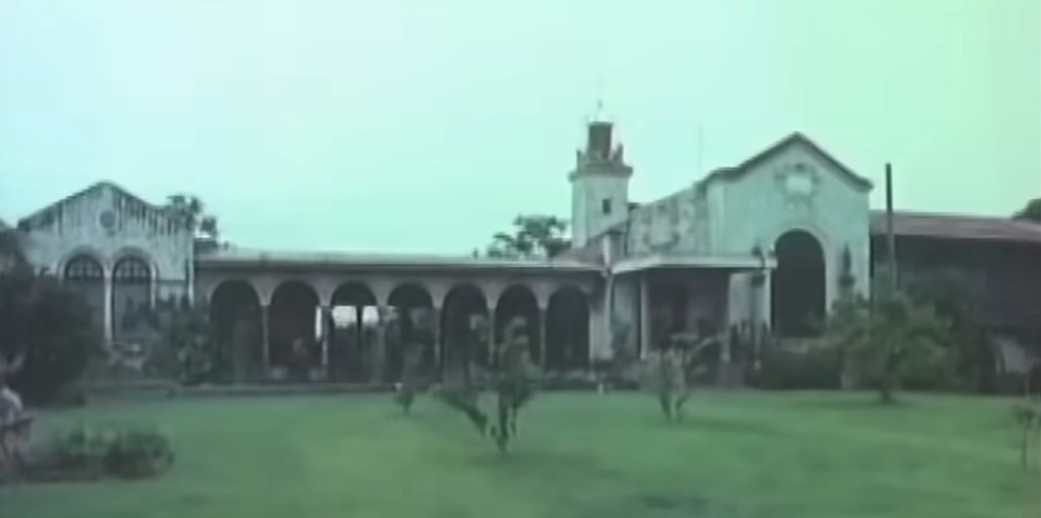
Unfortunately, the house was demolished in the 2010s purportedly for a residential development that has not yet materialized at the time of writing. There were also reportedly plans to reconstruct it but nothing has come out of it as well. A great loss to Addition Hills and to the history of the metropolis’ development as well.

Another prominent resident in Addition Hills is also the most controversial one. Ferdinand Marcos Sr. set up home in the metropolis along the street named after his father Mariano Marcos. It seems the Marcoses actually two pieces of property on both sides of the street, with the other used as a parking lot.


One can imagine that during the 1950s to the 1960s, as Marcos Sr. was preparing to take on the presidency, the Marcos house in San Juan was the center of Philippine political gravity, so to speak when politicians and other influential people would pay a visit to his palatial home. The house is now owned today by his politician daughter Sen. Imee Marcos who still holds gatherings there from time to time but is otherwise not accessible to the public.
That being said, one might ask…is there a piece of old Addition Hills that not only remains standing but is easily accessible to the public? Yes, there is. And for that we head over to P. Guevarra St. where one can find a restaurant that honors the legacy of the person the street was named after.

The Culinary Delights in a Heritage House
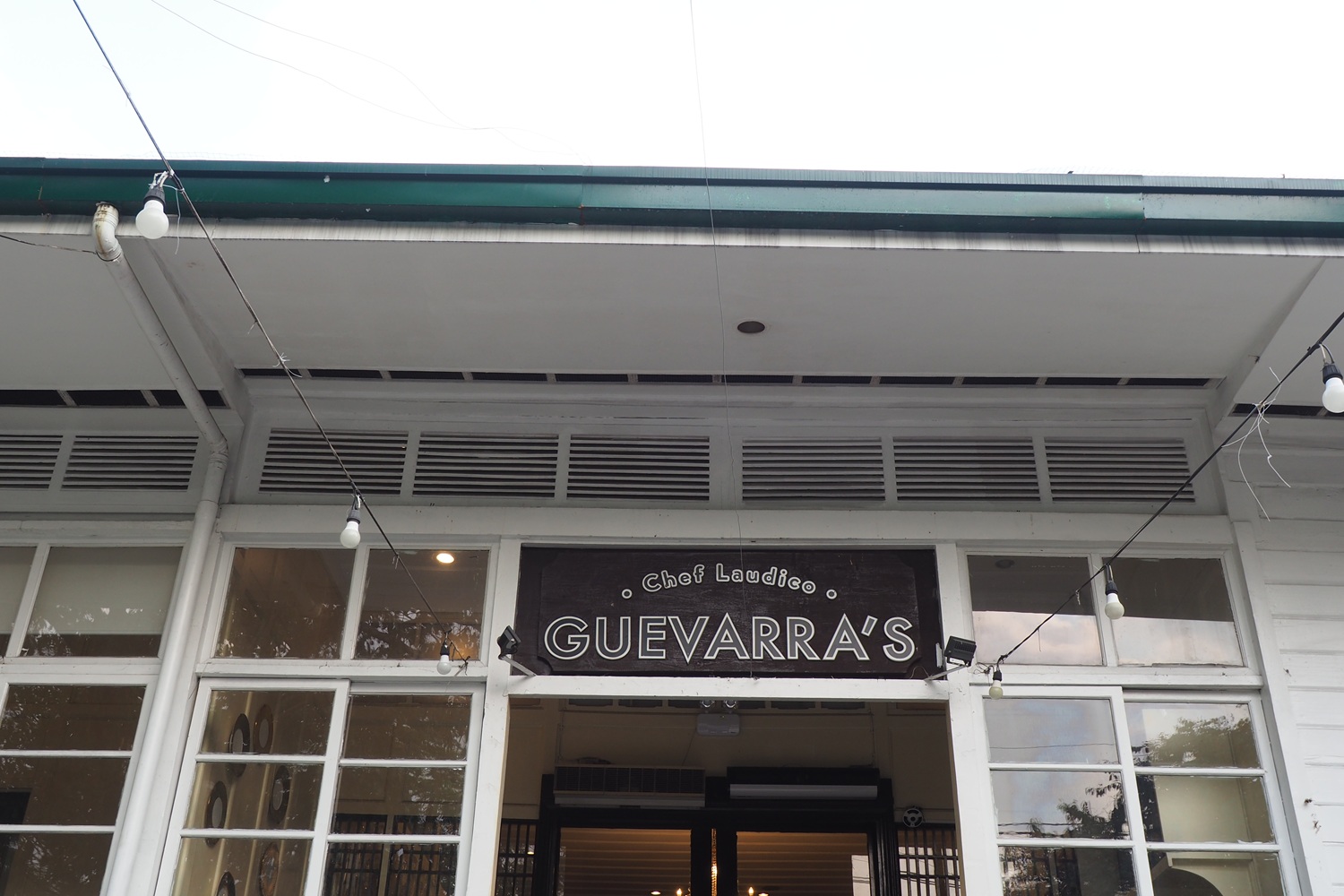
Guevarra’s Restaurant is actually a fairly young restaurant, opened only in 2014. But the building where it is located is old, having been built in the 1920s which had past lives as a film location and a spa at some point.


The house is a restaurant that pays tribute to Pedro Guevara, a Philippine Revolution veteran turned politician and Resident Commissioner to the United States during the American colonial period who helped Manuel Quezon and other Filipinos in securing self-government, resulting in the Tydings McDuffie Act.* As you can tell, Guevara himself is not a chef or a food connoisseur, at least from what we know though his wife is reportedly a very good cook. Close enough.


Operated by the prominent chef couple Roland and Jacqueline Laudico, Guevarra’s is a buffet restaurant which serves a delightful range of culinary choices every lunch, dinner and (during weekends) breakfast, late lunch, and early dinner. Dine-in rates are affordable as well as (at this time of writing at least) you won’t be spending more than PHP1000 for a meal there, a welcome treat given today’s economy.


The house is adorned with traditional Filipino elements and furnishings while being educated about the life and legacy of Pedro Guevara even though he did not actually live in this house.

It was a weekend so I booked a table for late lunch. Even at a time when there should be fewer people dining in, the restaurant was packed, a testament to Guevarra’s popularity and positive reputation. And I have to say, the food selection, while not as extensive as larger buffet restaurants, was great in terms of variety and taste. It was nice to try some unique delicacies, particularly the Laudicos’ spin on classic cuisines while dining in a homey atmosphere the restaurant provides.

Dining in Guevarra’s evokes the feeling of eating at a grand salusalo at a large ancestral house or an old house that belonged to your grandparents, enjoying good food and company during a festive occasion, which in Guevarra’s means every meal.


Even though it is far off from the commuting routes, a visit to Guevarra’s is a must to not only be delighted with the sumptuous food but also appreciate the heritage preserved in this house. A reservation is recommended especially on weekends but you can try your luck as a walk-in if you won’t mind the wait it may entail.

Addition Hills Today
Addition Hills today looks very much like any middle-class neighborhood in today’s metropolis as the old houses gave way to modern townhouses and high-rise condominium developments. These days, it’s hard to find the old charm of Addition Hills that made it such an attractive place to live during the early 20th century.


But places like Guevarra’s and even walking around the quiet parts of the neighborhood amidst the rolling terrain have helped preserve the spirit of Addition Hills that even people living in these modern townhouses and condos still call home. The old charm remains albeit different from what it was before.

*Note: It must be noted that while the restaurant and the street name is “Guevarra” with the double “r”, the surname of the person who is named after is spelled “Guevara” with a single “r”. A mistake it seems that has never been rectified.
Acknoweledgements as well to Wikipedia, Guevarra’s, Docu Lico on Facebook, and Real Living
See these places on The Urban Roamer's Map