The Urban Roamer’s Quiapo Shopping Guide (Part 2)

First things first, the Urban Roamer is proud be on print. You heard it right folks! Your friendly, neighborhood, urban roaming blogger is proud to be a contributing writer for an upstart and promising publication, the DDG Magazine. Please check out my contributions there (yes, I manage to write a couple of articles there) as well as the other articles there which are very informative. For a lifestyle magazine, it is one of the few publications out there that has managed to pack in so much diverse content with substance that should make it a must-read. I am proud to be part of such a promising publication.
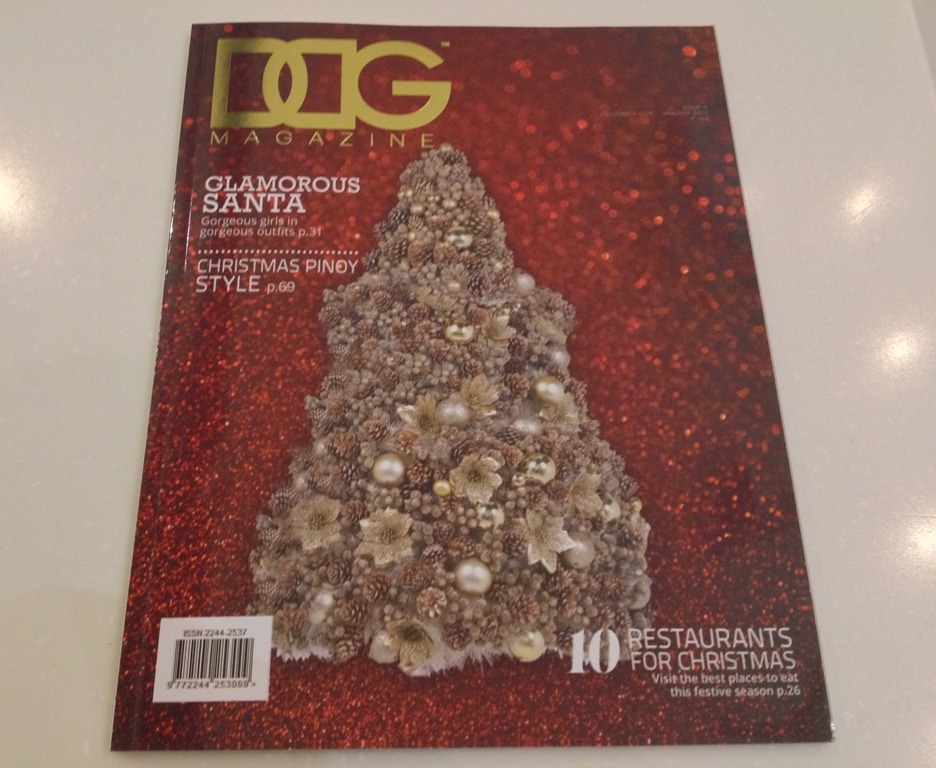
IMG_2008

DDG Magazine is available now at major National Bookstore and Powerbooks outlets. Please grab a copy guys!

Niow, to the second part of this special feature: the Urban Roamer’s Quiapo Shopping Guide…

===============

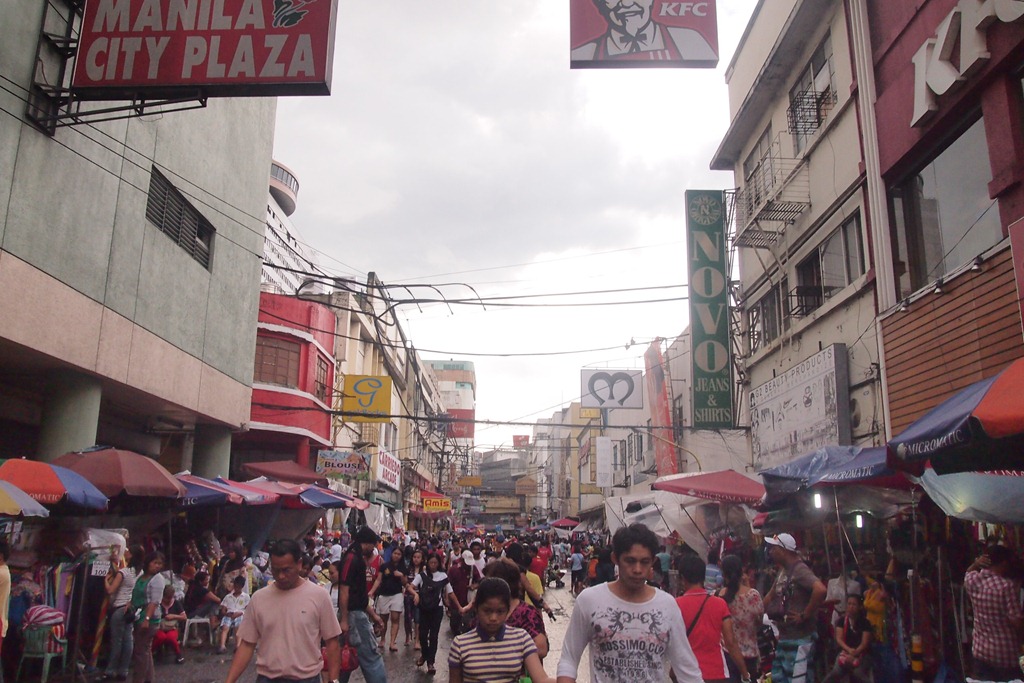
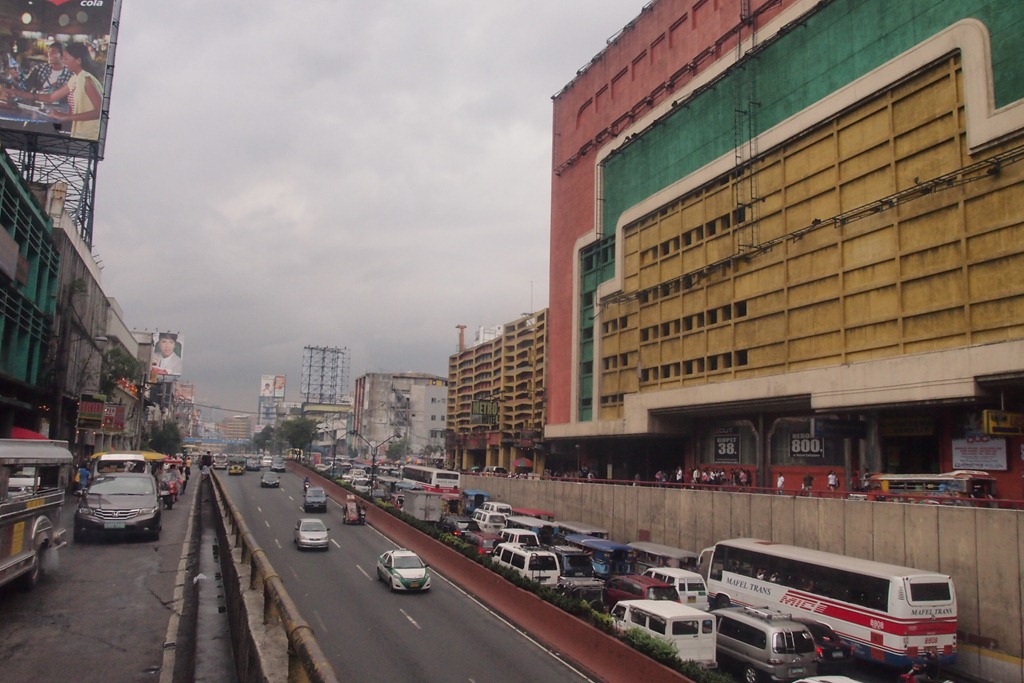
Carriedo Street

If this street’s name may sound familiar, that is because the street was named after the same guy who was the visionary for Manila’s waterworks system and after who the Carriedo Fountain at Plaza Santa Cruz nearby was named.
P1129535

Read more

The Urban Roamer’s Quiapo Shopping Guide (Part 1)

It is said that the name “Quiapo” came from the water cabbage plant “kiapo” that used to grow along the riverbanks in the district before. So much has changed as Quiapo grew from a sleepy suburb to an area of frenetic activity happening 24/7 as it gained importance as becoming Manila’s geographic center and part of the bustling commercial center of the city.

P1129476

On the flipside, Quiapo has also become a textbook example of urban decay in the city as it has become riddled with problems of traffic, lack of planning, and petty crime activity which in turn have adversely affected the district’s image. Add to that the notoriety it has also gained being the hub of pirated media like CD’s and DVD’s Such a shame as few places in the metropolis can lay claim to have much historic and commercial significance as Quiapo. And as far as commercial activity is concerned, one with a broad picture in mind can see Quiapo as one big virtual shopping complex.

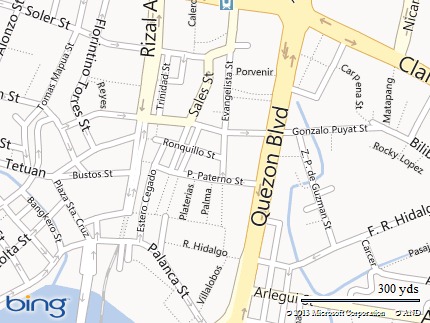
Map picture

As I was doing my little research, it was surprising to realize that not much has been written about Quiapo being a shopping hub. Thus, here is the Urban Roamer is going to attempt to write a shopping guide of the district despite the fact that he is not a shopaholic, my humble way to show the readers that Quiapo is more than just a place associated with traffic, thefts, piracy, and the Black Nazarene but a place that holds quite a number of surprises to those who take time to explore it.

Read more

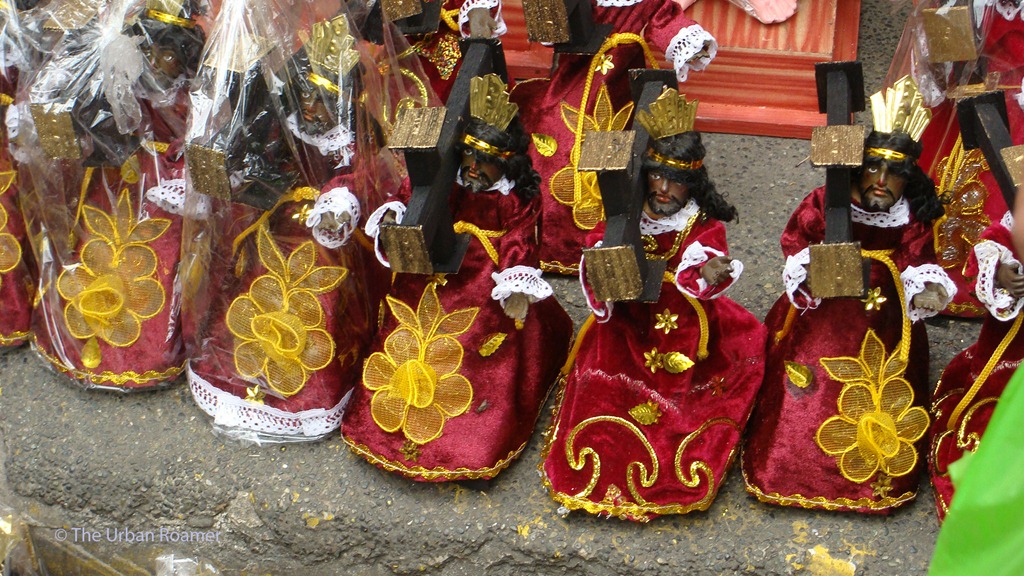
The home of Manila’s beloved Catholic icon

January 9 each year is a special day in this particular part of Manila, the city’s geographic center known as Quiapo. This is the Feast of the Black Nazarene, that darkened Catholic icon which represented Jesus Christ carrying the cross that is beloved by many Catholics, a majority of which belong curiously to the male gender.

On a sociological level, such a deep, fanatical as some might say, devotion of Catholic men to the “Nazareno” (as the Black Nazarene is called) can be considered a peculiarity at the very least as commonly in the realm of the Catholic faith, it is the women who exhibit such devotion. The Urban Roamer has always wondered why it is so, but that should be a question best left to sociologists, theologians, or others more well-versed in this topic to answer.

Read more

“Can we defend it at Plaza Miranda?”

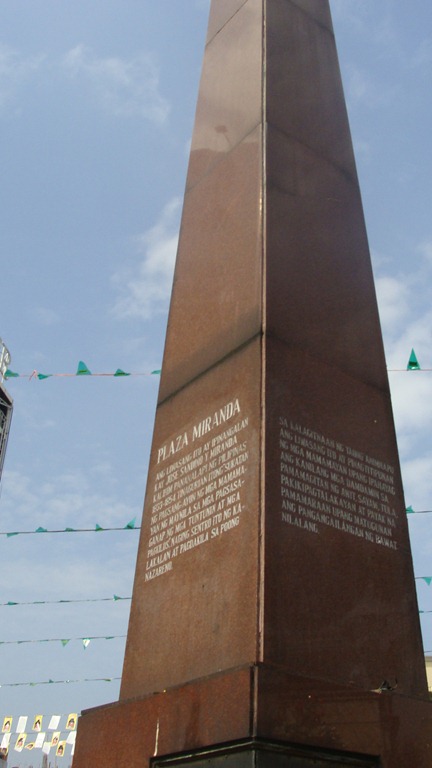
plaza miranda

The title of this entry refers to the famous quote of Philippine President Ramon Magsaysay (whose birthday falls on the month of August as well) whenever a national policy that was to be implemented is something the public would support or not. It was a testament to the importance of Plaza Miranda as the venue for public opinion. But we are getting ahead of ourselves here as it is important to know first the story of this particular spot that has become a national landmark of sorts.

DSC04157

History tells us that Plaza Miranda was named after Jose Sandino y Miranda, the Spanish-era Treasury secretary from 1853-63. While his “claim to fame” is something remotely connected to free speech or even religion, (after all, the famed Quiapo Church/Basilica of the Black Nazarene is located along the plaza) it was something that is usual in the business of naming places, trying to fit a person’s name to a certain place even if the person has nothing to do whatsoever with that place, which otherwise would have been more symbolic.

Read more