
Fort Santiago in Flux – Part 2

When we talk about Fort Santiago these days, we often associate it with Dr. Jose Rizal, the Philippines’ national hero as it was where he was imprisoned, tried, and where he would spend his final hours before his execution on December 30, 1896. While it is a distinction that deserves merit, this often overshadows to the actual importance of Fort Santiago. It was, first and foremost, the military headquarters for Spanish, British (during the 1762-64 occupation of Manila), American, and Japanese forces. As such, for a long while it held a very strategic importance as it was believed that gaining control of the fort provides one the greater advantage of gaining control of all the country.

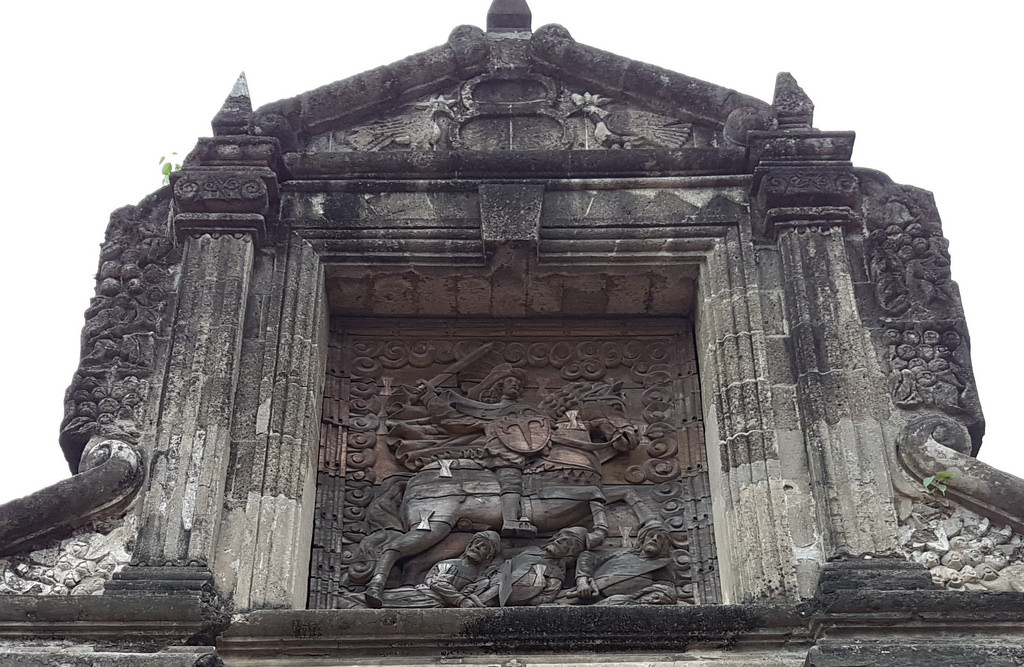
Even its very name evokes a military heritage, with a bit of Moorish phobia in between. It was named after Santiago Matamoros or St. James the Moor-slayer, the representation of the Apostle St. James the Greater (AKA the brother of St. John) who is venerated in Spain for having said to have helped the Spanish forces defeat the Moors in battle. Considering that Fort Santiago was the site of the old seat of the Muslim-dominated Kingdom of Maynilad, the choice of the fort’s name may have been intentional, perhaps a threat as well to the Filipino Moros who would dare attack Spanish colonial rule, especially in Manila.

Read more

Fort Santiago in Flux – Part 1

What else can be said about Fort Santiago? It is one of the most famous historic tourist destinations in Manila, perhaps in the Philippines as well. It’s one of the first places tourists are taken in the city. And if one is asked about Manila, this is one of the first places that comes to mind.

That should not come to surprise as Fort Santiago is considered to be the place where the city that we have come to know as Manila evolved from. After all, the fort was where the throne of the pre-Hispanic Kingdom of Maynilad was located, itself a fortified area (albeit made of bamboo and wood fortification). And when the Spaniards came and eventually conquered the old Kingdom of Maynilad, they would establish the new capital city of the newly-established Spanish colony of Filipinas in the premises of the old wooden fort. Eventually, the wood was replaced with thick adobe stone walls as a means to defend the new city.

Read more

A Renewed Rizal Experience at the Fort Santiago Rizal Shrine

If you have not been to Fort Santiago, in particular the Rizal Shrine located within its premises, you may want to schedule a trip there one of these days. Even if you have been there before, you may want to pay a visit there again.

This is because the Rizal Shrine has recently undergone a renovation of its interior set-up, giving the shrine a much-needed makeover and its visitors a new, different insight into learning about Jose Rizal, his life, works, and deeds that made him a National Hero.

Read more