
Manila’s “Maharnilad” : the Manila City Hall

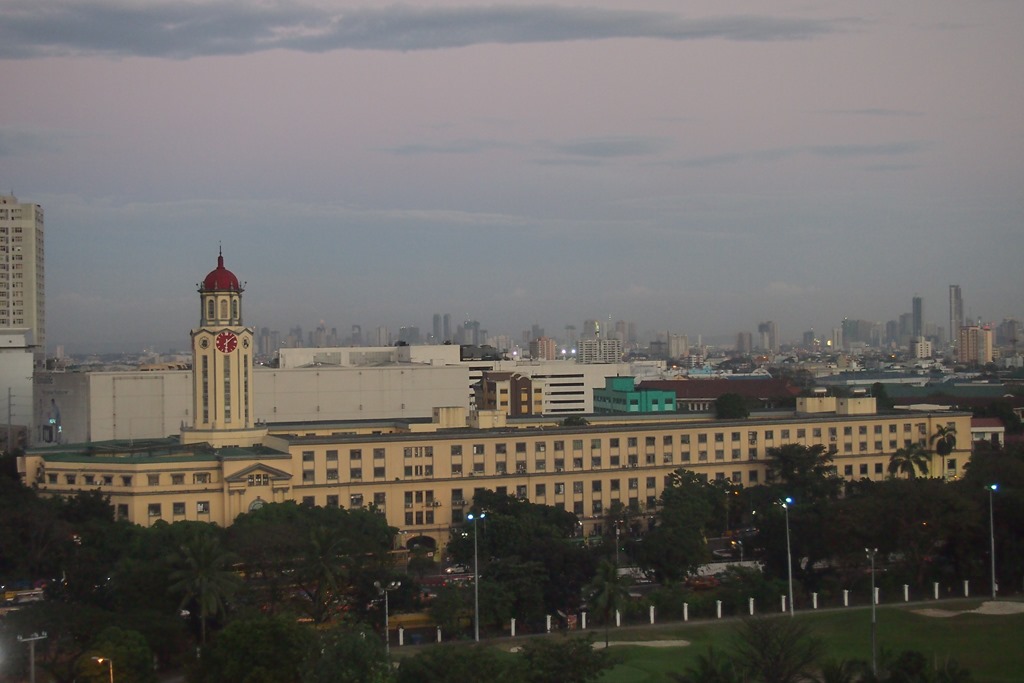
Despite the rise of more modern, taller “city halls” with more modern amenities, especially the city halls of some of the cities in the metropolis, there is this certain appeal and charm whenever one sees the city hall building of Manila. Maybe it’s partly because it is the city hall of the nation’s capital city. Maybe it’s because of its classic architecture that it has been able to maintain. Whatever the case may be, the Manila City Hall is itself an iconic structure that has managed to become the symbol of the city it represents, something that not all local government office buildings have managed to achieve.
P2020083

The city hall we see today was first constructed in the late 1930s during the Commonwealth period, a product of a campaign by then Mayor Juan Posadas for Manila to have a new city hall building. The 4-storey structure was built in the neoclassical style architecture designed by Antonio Toledo, who also helped design other neoclassical structures along with Juan Arellano the present National Museum building, the provincial capitol buildings of Cebu and Leyte, among others. It was inaugurated in 1939 by President Manuel Quezon, albeit only the southern portion was fully completed by then. It would take another 2 years for the building to be fully completed. By that time, Mayor Posadas, the one behind the building of the Manila City Hall already died in office. (he died in 1939, shortly after the inauguration) The building suffered some damage due to shelling in the Battle of Manila in 1945 but was reconstructed after the war, faithful to the original architecture of the building.
Read more

The Jai Alai in Manila

It has been called “the game of a thousand thrills.” Being a bit familiar with the sport, it boggles why the game of jai alai as been dubbed as such when other sports like basketball or football can also lay claim to that tag. Nevertheless, Filipinos seem to have such an understated love affair with this game, overshadowed as it is these days due to the popularity of the aforementioned sports.

jai alai (from the web)

Being a sport of Basque origin, (jai alai means “happy feast” in the Basque language) it was fitting that the Basques, or at least Hispanics with Basque heritage, would introduce this sport in the country. Some accounts relate that jai alai made its way into the country in 1899 courtesy of the prominent Elizalde family, themselves having Basque lineage, who many today would know as the ones behind one the country’s prominent broadcasters that is the Manila Broadcasting Company.

Over the years, the jai alai sport has become popular not only among the elite but among the common folk as well. Soon, Spanish (mostly Basque) players were being imported to play jai alai in the country. Its popularity began to outgrow the confines of the small fronton in Casino Español, and a new, larger venue was needed.

Read more

Roamer’s Roundup: 3rd issue

It’s been a while but with some interesting developments going around the metropolis during the past few months, this merits a new edition of our Roamer’s Roundup!

=======================

P4062233

P2200041

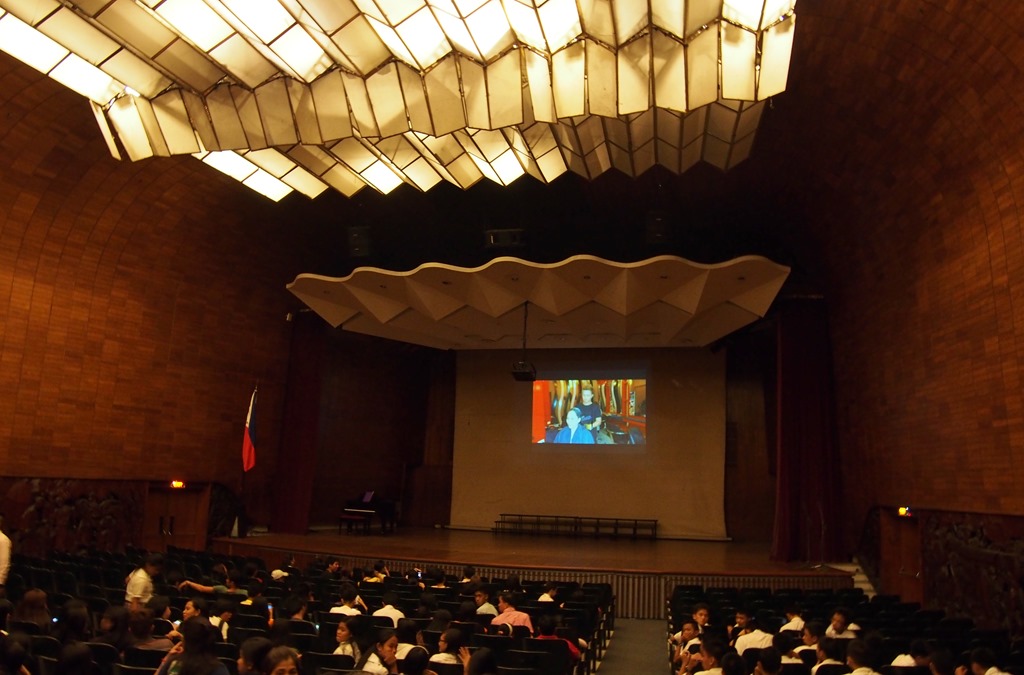
Here’s some good news first to start things off. Heeding the petition of thousands spearheaded by the conductor of the Philippine Philharmonic Orchestra Olivier Ochanine, the Philamlife Auditorium is headed to get a new lease of life under new ownership which is that of the SM group’s SMDC which has plans of building another one of those residential projects there.

In a statement released by SMDC, they said, “Although the development plan is still in its initial stage, SMDC stressed that the complete theater including all its elements and most especially its acoustics will be preserved. This will be done in close consultation with the country’s music, acoustics and design experts.”

Read more

Ermita Icon: The Philamlife Building

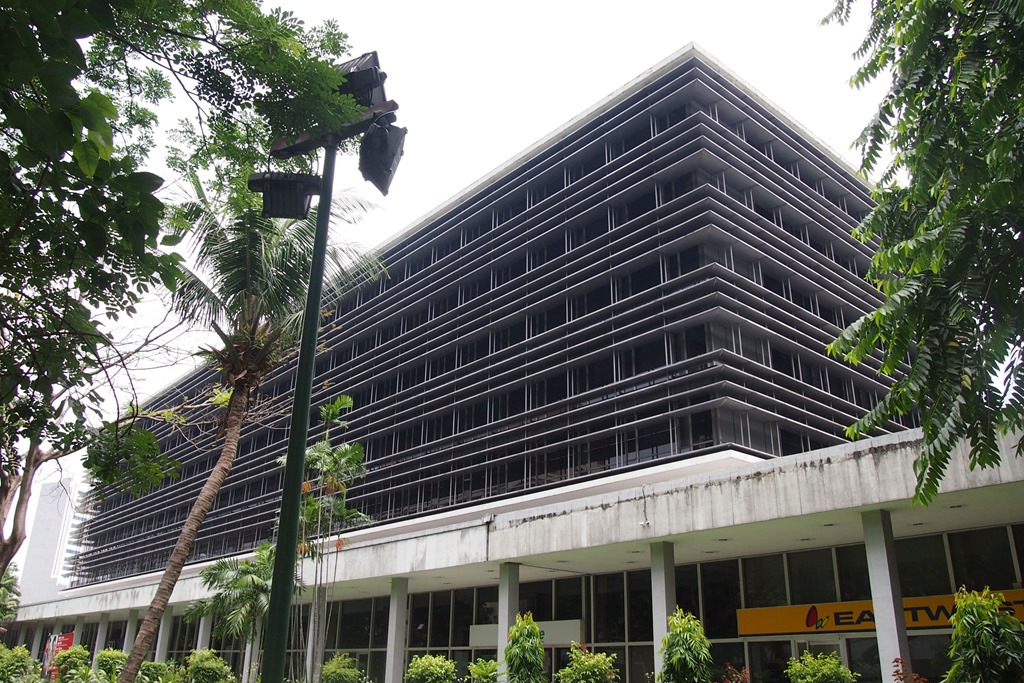
As the Philippines was recovering from the devastation of the Second World War, a surge of economic progress was beginning to take place beginning in the 1950’s. By the dawn of the following decade, new infrastructures, housing developments, and commercial establishments were beginning to take shape and arise in the horizon. One of these structures is the focus of this entry: the building of the Philippine American Life and General Insurance Company at Ermita district in Manila.

P4062233

The Philamlife (or Philam Life, depending on your source but both forms are acceptable) Building was built in 1961 along Ermita’s major thoroughfare that we know now as United Nations Avenue (then known Isaac Peral St.) Its unique design was the work of Filipino architect Carlos Arguelles, who would later on collaborate with American architect Welton Becket to build the Manila Hilton (now the Manila Pavilion) located just right across the Philamlife Building.

Read more