MOWELFUND complex: reflecting the state of Philippine Cinema

So much has been said and written about the current state of Philippine cinema, many of these even conflict with one another. While this blog will leave it to the cinephiles to discuss this matter further, a visit to one of the institutions related to this industry can help one gain a better understanding about the state of things in Philippine cinema.

P1160468

Right in one of the more “quieter” parts of Quezon City stands the MOWELFUND complex, the home of MOWELFUND or the Movie Workers Welfare Foundation, an organization founded in 1974 that aims to aid those who work in the motion picture industry. It also aims to help the industry as a whole by providing workshops and helping in the documentation of the history of Philippine cinema.
Read more

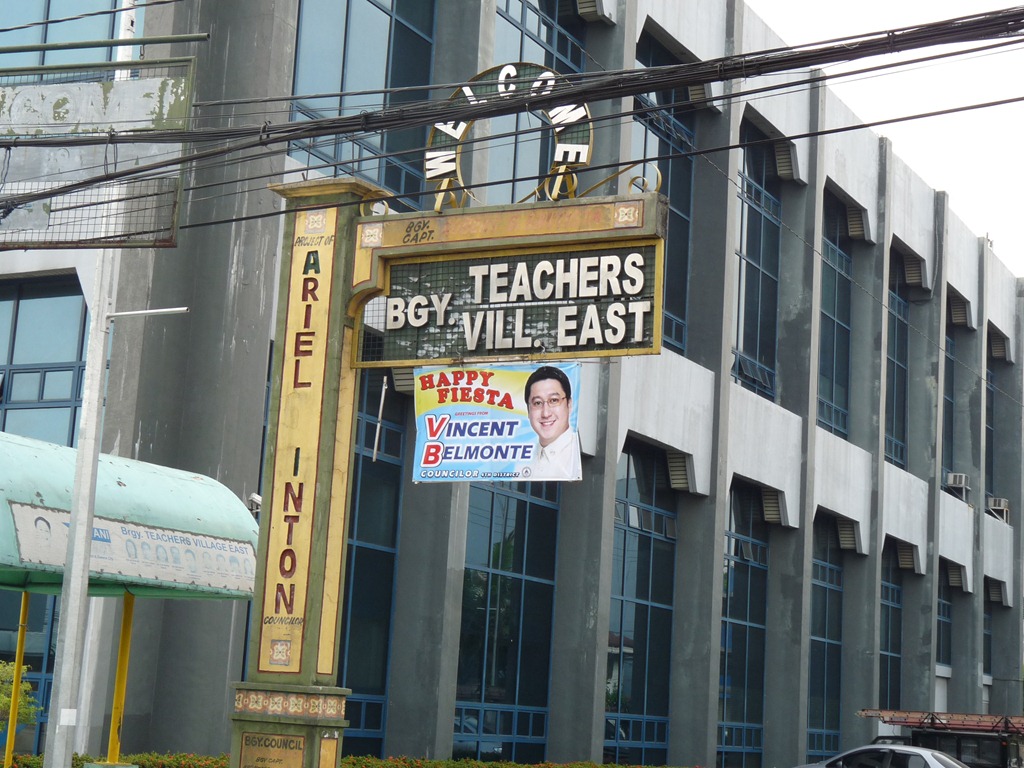
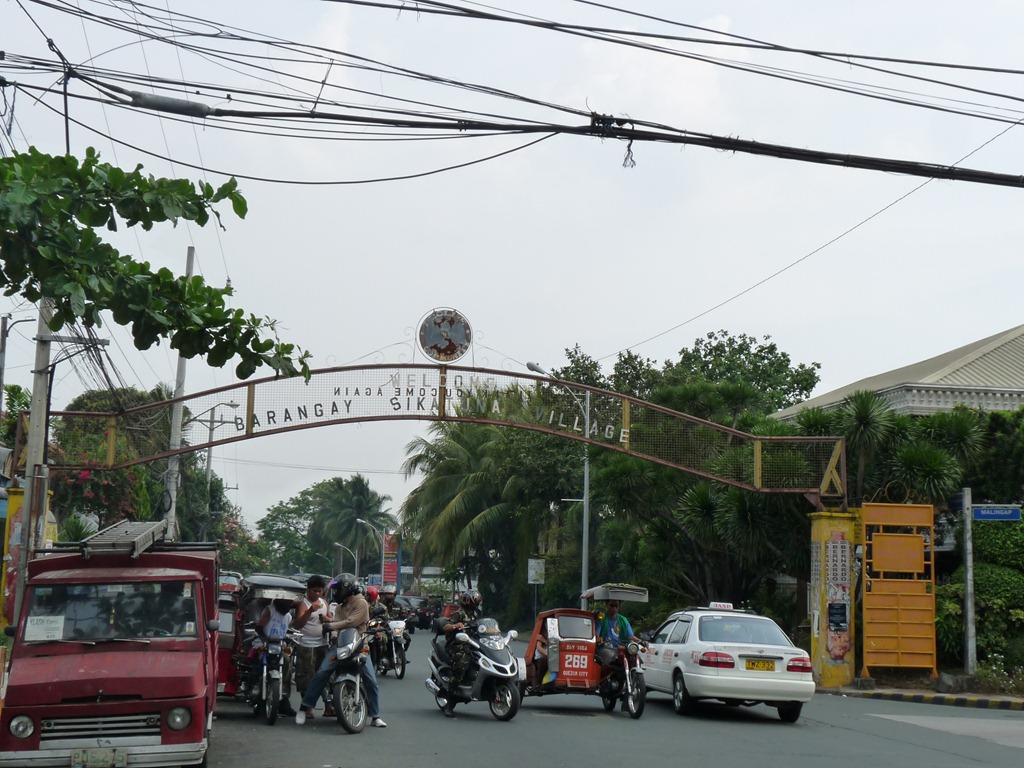
roaming the neighborhood: Sikatuna, Teachers, and UP Villages

While Quezon City may not have ended up being the nation’s planned capital city as its “father” Manuel L. Quezon hoped it to be, it still managed to grow and develop, thanks in part to the various real estate developers who built village after village almost throughout the city after the war.

Some villages in particular were built east of the planned-but-ultimately-scrapped National Government center. One was named Sikatuna Village, after the Boholano chieftain who entered into a blood compact with conquistador Miguel Lopez de Legazpi in 1565 as a sign of friendship that marked the early steps for Spanish colonization. North of Sikatuna is what is known as Teachers Village, which was put up as a housing project of sorts for the teachers. Further up is UP Village, which was set up as residence for employees who work in the nearby University of the Philippines campus in Diliman.

P1090747

P1090749

Read more

Welcome! Mabuhay! (AKA that Rotonda in Quezon City)

There’s something about how Metro Manila loves rotondas, never mind if many motorists don’t know how to use them properly. If the presence of a number of rotondas in the metropolis can be taken as evidence of such. Even though some of these places no longer have the physical rotondas, the presence of rotondas in … Read more

From ABC to TV5: a history thru places

October marks the anniversary of the Philippine television industry which first made its mark in 1953. As its own to commemorate the milestones of the Philippine media, (broadcast media in particular) this blog will dedicate this month writing some interesting tidbits and places in broadcast history, past and present.

Long considered as titans in the print media industry with their ownership of Manila Times and the Liwayway Group of Publications to name a few, the Roces family found themselves getting involved in the booming broadcast industry in 1960, thanks to the license given to them by Philippine Congress. Thus, on June 19 of that year, Joaquin “Chino” Roces founded the Associated Broadcasting Company.

Originally starting out with studios along Roxas Boulevard, ABC would also have studios along the former Pasong Tamo St., nearby the head office of Roces’ Liwayway Group Publications. During its first 12 years, ABC was considered one of the top TV networks of the time, and a fierce competitor of ABS-CBN, then already known as the number one broadcast network, not to mentioned it being owned by another influential family in the media industrty as well, the Lopezes.

Read more